



January Stargazing Guide from Mount Teide Tenerife
The breathtakingly beautiful Orion Nebula, The Andromeda Galaxy, Albireo Star, The Pleiades (Seven Sisters), Jupiter, everyone's favourite Saturn and the Signs of the Zodiac are all visible in the crystal clear January night skies of Tenerife.
Whether you're an experienced astronomer, a casual stargazer or just looking for things to do in Tenerife, you’ll not want to leave without experiencing a
Night Skies Tenerife Teide National
Park Stargazing & Sunset Tour.
Unveiling Constellations, Galaxies, Zodiac Signs, Shooting Stars & Moon Magic
Mount Teide’s skies transform into a cosmic theatre in January.
With minimal light pollution and crystal-clear air, Tenerife offers skywatchers a front-row seat to some of the month’s most enchanting celestial events. From iconic constellations to Jupiter’s brilliance, from Zodiac lore to meteoric streaks, let Night Skies Tenerife guide you through the heavens.
Highlights This Month
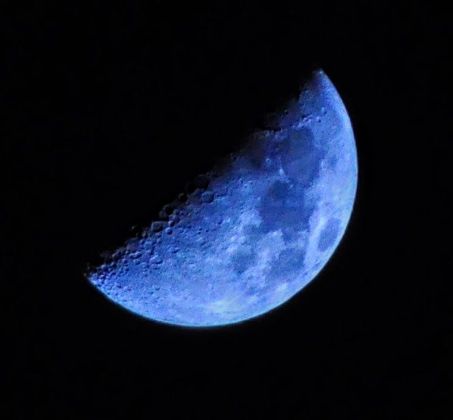
Moon Phases to Watch
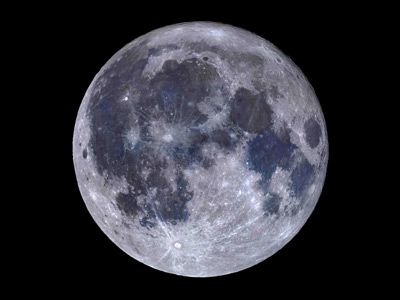
The full moon (Wolf Moon) peaks on January 3, illuminating the sky with a silvery glow — a dramatic backdrop for early-month stargazing.
On January 18, the new moon offers deep, dark skies — ideal for faint stars and galaxies.
Shooting Stars & Meteor Magic
Quadrantid, one of the year’s strongest meteor showers, active from late December through January 12 and peaking around Jan 3–4. Capture fleeting meteors across the sky — bring a cosy blanket!,
Planets & Giants
On January 10, Jupiter sits opposite the Sun, shining all night long in Gemini — a superb target for binoculars or telescope lenses.
Constellations & Deep Sky Gems
January skies from Mount Teide reveal prominent winter constellations:
- Orion, with its dazzling belt and nebula.
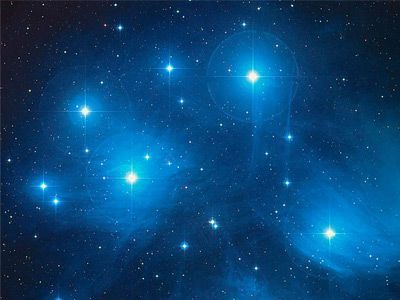
- Taurus and the Pleiades cluster, sparkling near the horizon.
- Perseus, holding variable stars like Algol and rich star clusters.
Look farther into the darkness and you may glimpse faint galaxies and deep-space structures beyond the Milky Way.
Zodiac Signs in the January Sky
As Earth’s nightly rotation slides constellations across the firmament, January brings:
Gemini (Twins) with bright Castor & Pollux.
Cancer (Crab) hosting the Beehive Cluster (Messier 44) — a stunning open star group.
Leo & Taurus rising earlier in the late evening.
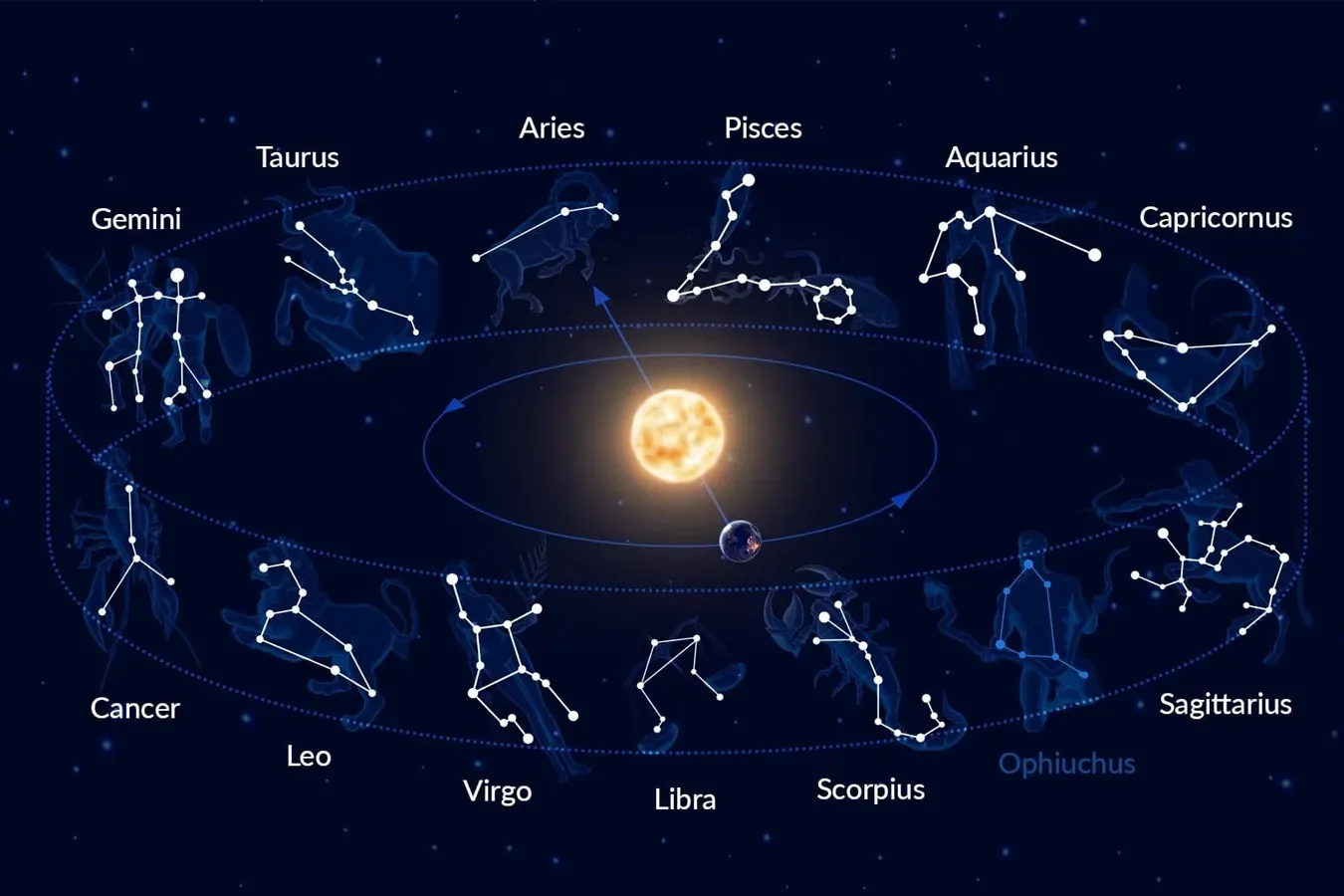
Source: starwalk.space/en
The Moon Phases
For the darkest skies and the most stars, the best time is a couple of days after the full moon, for three weeks.
Full Moon (Wolf Moon)
Saturday 3rd January - Bright skies. Great for moon photography and dramatic landscapes, but limits faint stars.
Last Quarter
Saturday 10 January - Moon rises later at night. Decent stargazing after midnight.
New Moon
Sunday 18 January 2026 - Best stargazing nights of the month. Ideal for galaxies, nebulae, and the Milky Way from Mount Teide.
First Quarter
Sunday 25 January 2026 - Balanced moonlight. Excellent for constellation spotting and guided astronomy.